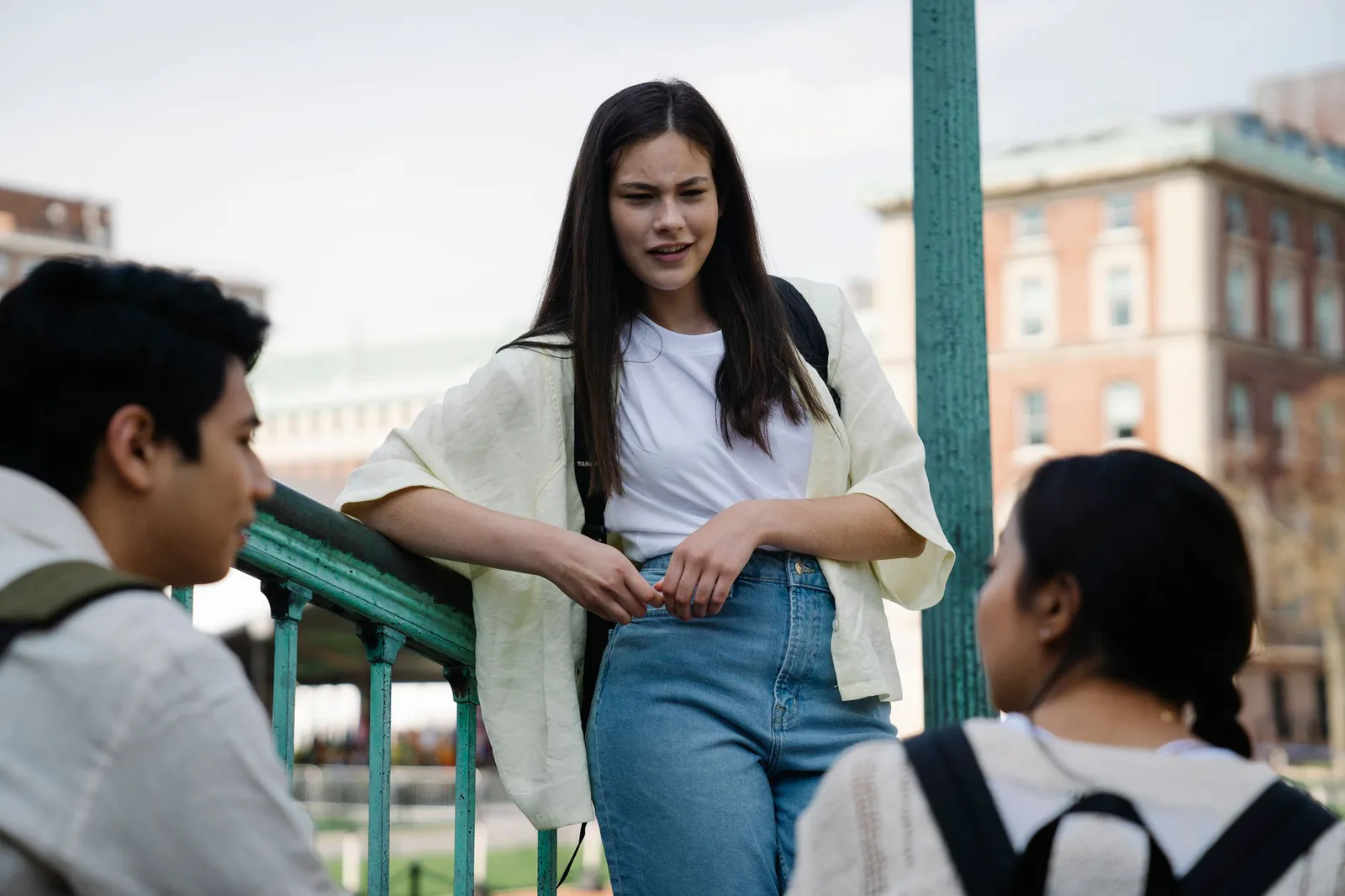
When students talk, we listen — and then we act. Here is an inside look at how the GW Student Association turns student concerns into real policy changes at the university level.
How Advocacy Works at GW
The Student Association is the official voice of the student body in university governance. Our elected representatives serve on dozens of university committees — from the Faculty Senate to the Board of Trustees' Committee on Student Affairs. This means students have a seat at the table when decisions are made about everything from academic policy to campus infrastructure.
But having a seat is not enough. Effective advocacy requires three things: listening to students, building coalitions, and following through. Here is how we do each.

Listening: The Student Voice Survey
Every semester, the Student Association conducts a campus-wide survey to identify the issues that matter most to students. Last spring, over 3,200 students responded — the highest participation rate in five years. The top concerns were clear: mental health resources, dining hall quality, affordability, and campus safety.
We do not stop at surveys. Our representatives hold weekly office hours, host town halls, and meet regularly with student organizations to hear directly from communities across campus. If you have a concern, there is a representative whose job is to listen to it.
Building Coalitions: Dining Hall Reform
Last fall, students raised concerns about dining hall hours, food quality, and dietary accommodation. Rather than filing a single complaint, we built a coalition. We partnered with the Student Food Security Initiative, collected over 1,800 petition signatures, and met with GW Dining Services leadership three times.
The result: extended dining hall hours until 10 PM on weekdays, a new allergen-free station at Thurston Hall, and a commitment to source 30% of ingredients from local farms within 150 miles. None of this happened overnight — it took a semester of sustained advocacy.
Following Through: Mental Health Funding
Perhaps our biggest win this year was securing expanded mental health funding. After the Student Voice Survey identified mental health as the number one concern, we met with the Provost, the Vice President for Student Affairs, and the Colonial Health Center director. We presented data, shared student stories (anonymously and with consent), and proposed a specific budget increase.
The university agreed to increase counseling staff by 40%, reduce average wait times from three weeks to one, and launch a peer support network. These changes take effect this fall. We will continue monitoring to make sure the promises are kept.
What Is Next: Affordability and Safety
This year, our advocacy agenda focuses on two priorities: affordability and campus safety. We are pushing for a textbook assistance program, expanded emergency fund access, and improved lighting across the Foggy Bottom campus. We are also working with GWUPD on a community safety advisory board that gives students direct input into public safety policies.
How You Can Get Involved
Advocacy works best when it is collective. Here are three ways to make your voice heard:
- Take the Student Voice Survey — it takes ten minutes and directly shapes our advocacy agenda.
- Attend a town hall — we host one per month, and they are the best place to share concerns directly with SA leadership.
- Join a committee — the SA has committees on academic affairs, student life, diversity and inclusion, and more. Any student can join.
Your voice matters. Our job is to make sure the university hears it.